What is Steel Sheet Piling?
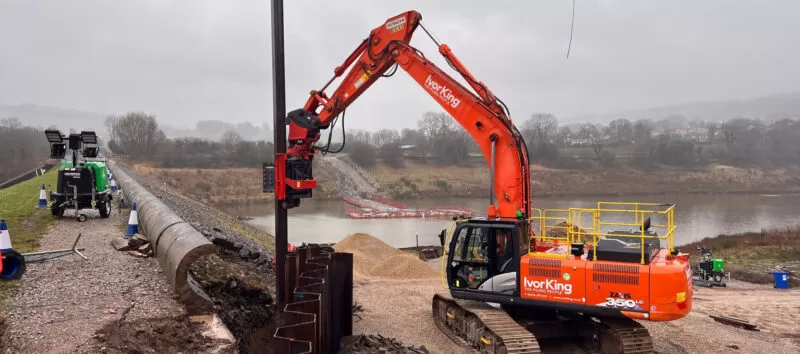
Steel sheet piling is a construction technique that involves driving or pressing high-strength interlocking steel sheets into the ground to provide support, retain soil, or offer flood protection.
Where is Steel Sheet Piling used?
Strong and durable, steel sheet piling can be used in a variety of diverse construction applications, including:
Supporting Excavations: Ideal for basements, parking structures, retaining walls, and foundations.
Erosion Control: Helps prevent soil loss along railway and highway embankments and provides scour protection for waterways.
Creating Barriers: Helps control groundwater flow in areas with contaminated soil, with suitable design and interlock sealing.
Flood Relief Systems: Forms continuous barriers for flood protection and other waterway works, including seawalls and cofferdams in waterway environments.
Why use Steel Sheet Piling?
Steel sheet piling can be a sustainable and cost-effective option, as sheet piles can be reused and recycled. Modern production techniques offer low-carbon manufacturing options, further enhancing their environmental benefits. Advanced installation methods allow sheet piles to be installed with reduced noise and vibration where required, making them useful for sensitive and urban locations. Steel sheet piles can deliver a long-lasting construction solution, with design life determined by the environment, corrosion exposure and any protection specified.
No substitute for experience
Ivor King has over 50 years of experience in steel sheet piling. We specialise in providing innovative and bespoke piling solutions.
Take a look at the range of Steel Piling Solutions we can design and install, and get in touch with our knowledgeable and friendly team to discuss how we can help. Whatever your piling project, we’re your people.
All information correct as of November 2026.
Related Steel Piling Solutions

Sheet Pile Retaining Walls
The quick and easy solution that eliminates the need for temporary earthworks support.

Sheet Pile Basements
Maximise your basement footprint with a cost effective watertight construction solution.

Cofferdams
Allows excavation and construction in otherwise poor working environments

Temporary Sheet Pile Walls
Allowing earthworks to take place, sheet piles can be re-used on project completion

Steel Bearing Pile Foundations
Providing excellent load and resistance and high strength in compression and tension

Tied Walls & Anchorage Systems
Sheet pile walls can be strengthened using anchorage systems to ensure the stability of retaining structures

Inland Waterways & Marine Piling Solutions
Flood defences and water retention systems, including rivers, canals, harbour and dock wall stabilisations, marinas and reservoirs
Sheet Pile Hire & Sales Our dedicated hire and sales division is on hand to support all your temporary and permanent sheet pile needs
Frequently asked questions about steel sheet piling
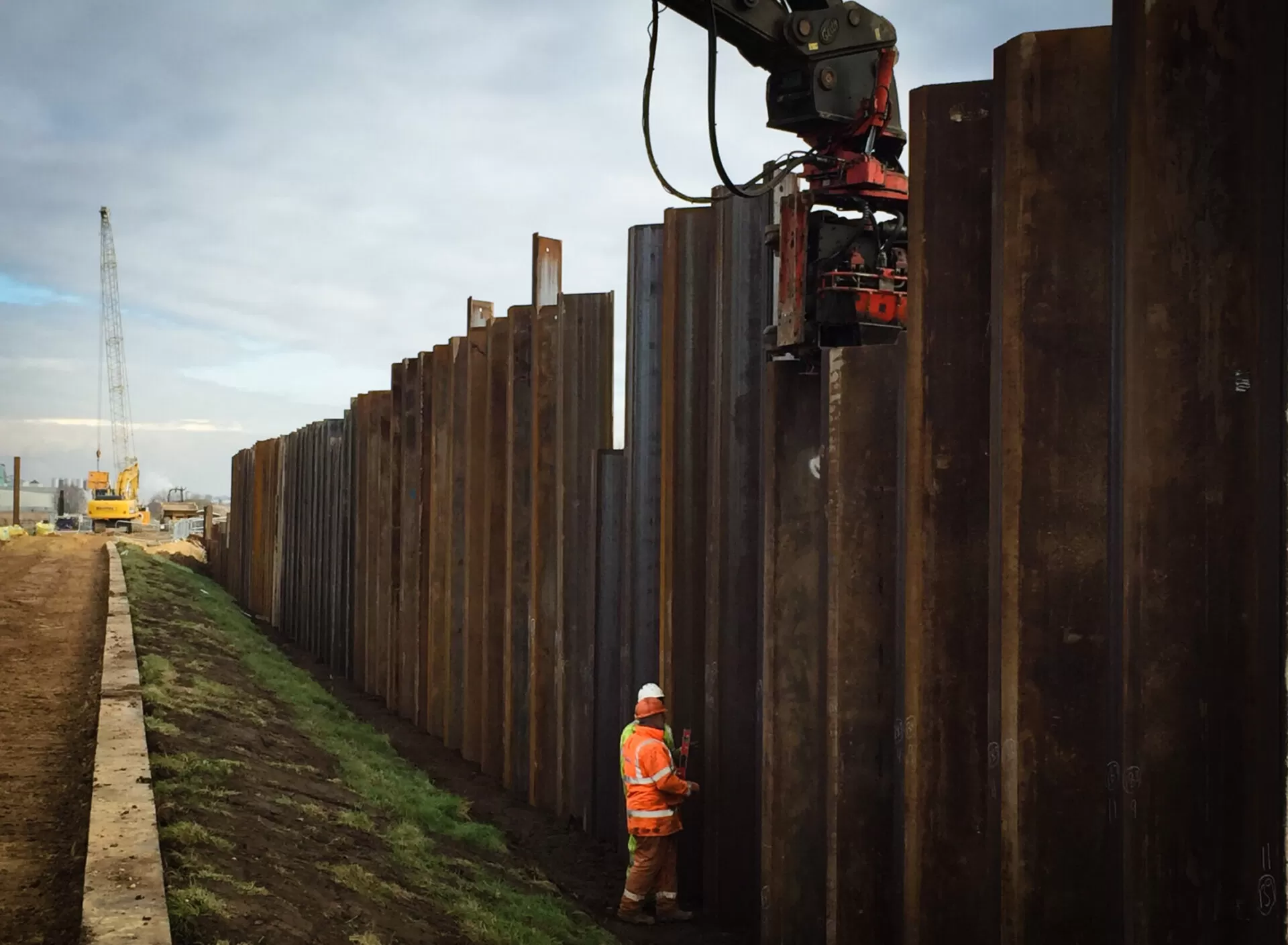
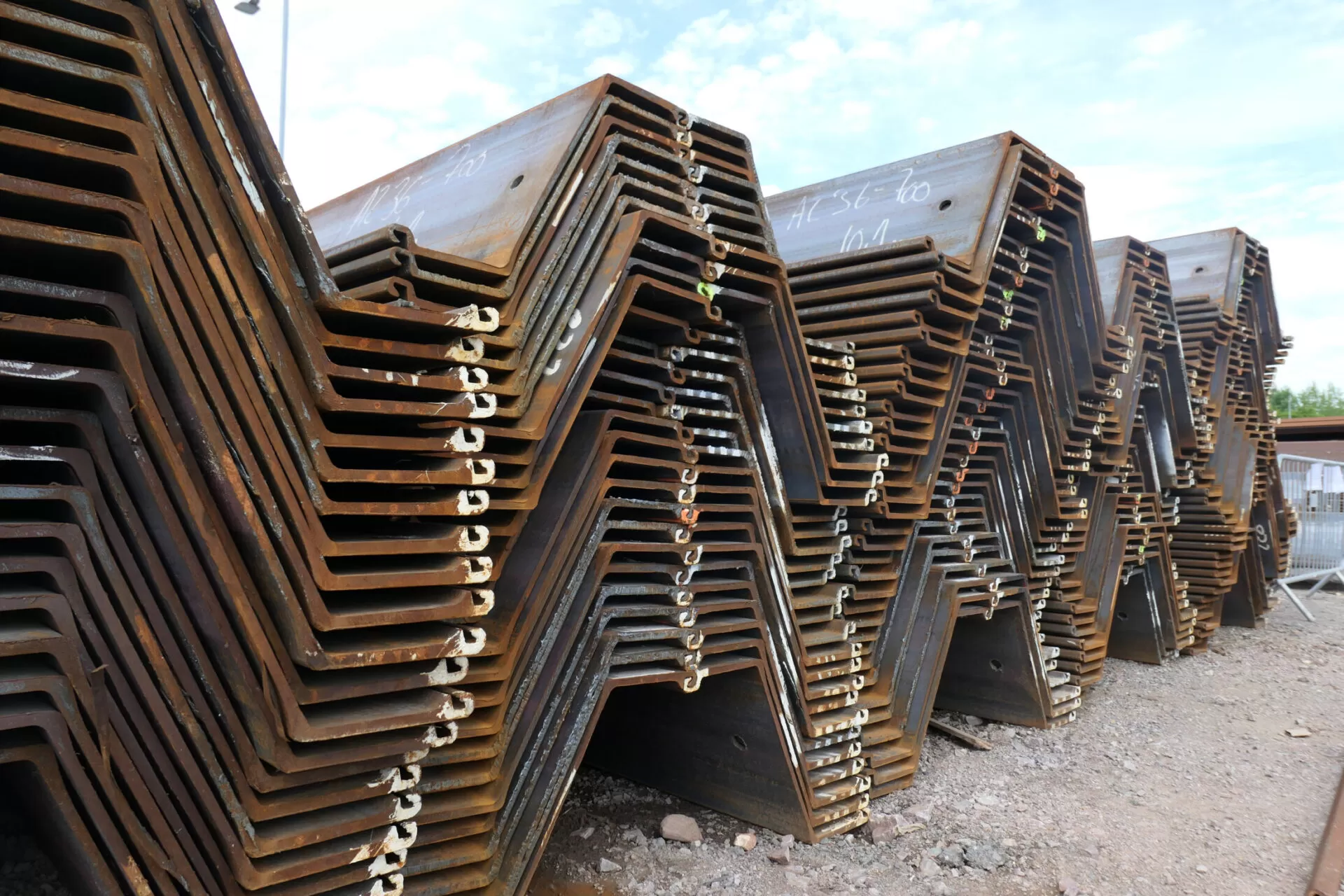
The edges of neighbouring steel sheet piles interlock to form a continuous wall. Driven or pressed into the ground, the wall retains soil and can help control water movement, depending on its design and sealing.
Yes. Steel sheet piles can form permanent retaining walls or provide temporary excavation support. Temporary piles can be extracted and reused where their condition, specification and the project design allow.
Yes. Our dedicated Sheet Pile Hire & Sales division supplies new and used stock for hire, purchase or sale and buy-back. Our team can confirm suitable sections, availability and terms for your project.
Water can pass through the interlocks between sheet piles. Where water exclusion is important, the design may require interlock sealing or welding and additional groundwater-control measures to suit the site.
GIKEN hydraulic pressing can reduce installation noise and avoid conventional driving vibration. Ground conditions, access and nearby structures still need to be assessed before selecting the most appropriate installation method.
Design life depends on the ground and water conditions, corrosion exposure, steel section and any protection specified. The design should address the required working life for the individual project.