GOT HERE Array ( [strictly_necessary] => Array ( ) [functional] => Array ( ) [performance_analytics] => Array ( [0] => Array ( [0] => Kuzsu [1] => [2] => ) ) [advertisement_targeting] => Array ( ) ) Driven Piling Solutions | Ivor King - The Piling People Skip to content

Scroll to continue

Piling Solutions

Key Benefits & Advantages


Piles of any size and length may be constructed on site, therefore offering speed and versatility providing a cost effective solution which is suitable for most ground conditions

Possible damage due to driving and handling with pre-cast materials is eliminated

Suitable in soils with poor drainage qualities, as they do no significantly disturb the surrounding soil

Driven piles are the most favoured system over water, for example piles over wharf structures or jetties.

Suitable for installation in soils with poor drainage qualities and for water bound structures

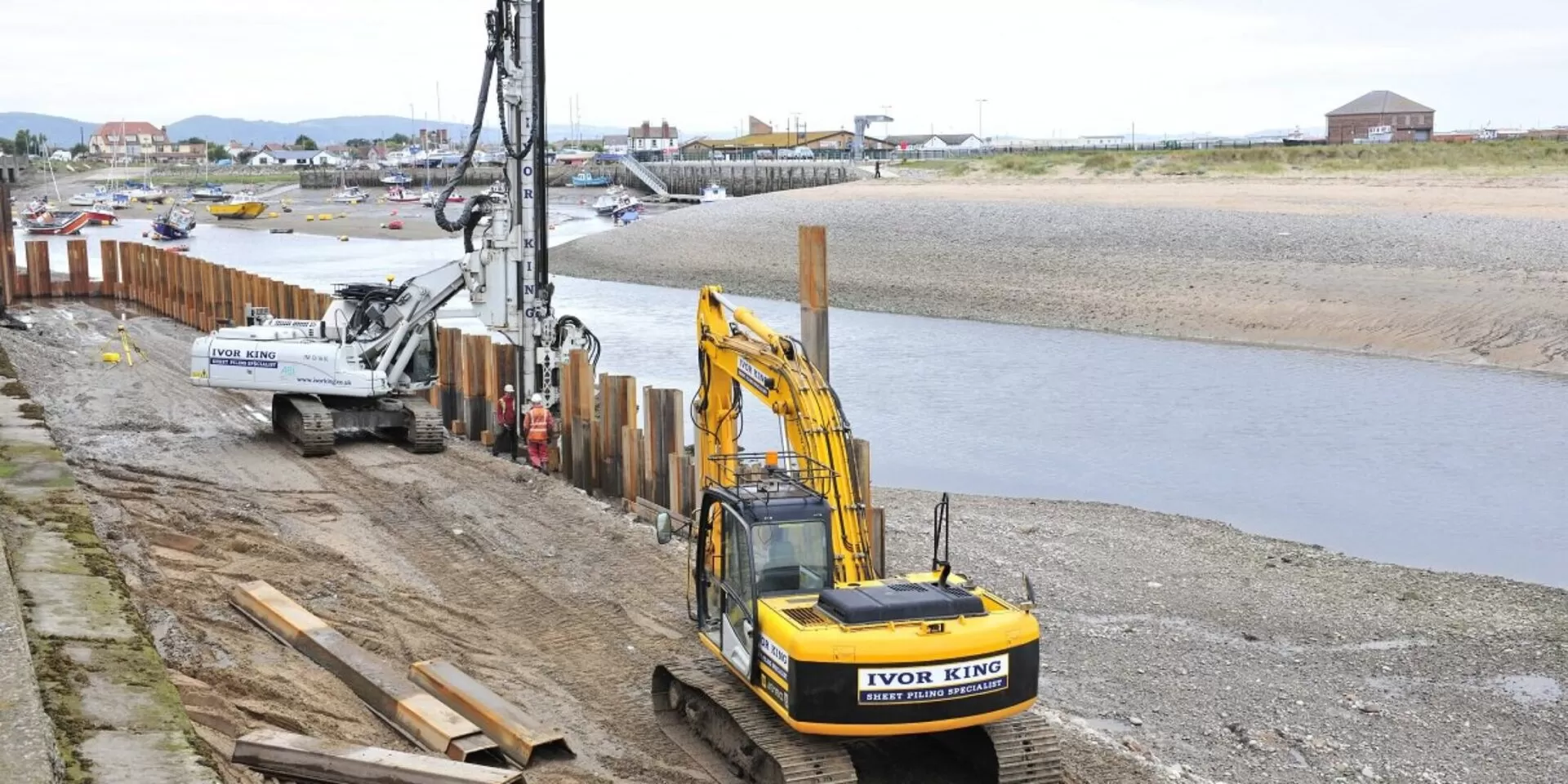
Driven piling solutions may be used to support buildings, tanks, towers and bridges, and to provide lateral support for earth retention walls. Steel sheet piles and soldier piles are the most common type of driven piles for this application.Suitable for most ground conditions, our driven pile solutions are principally Concrete or Steel (Tubular, Sheet Pile and H-Beam) and are all manufactured in accordance with up to date National Standards.
Piling solutions

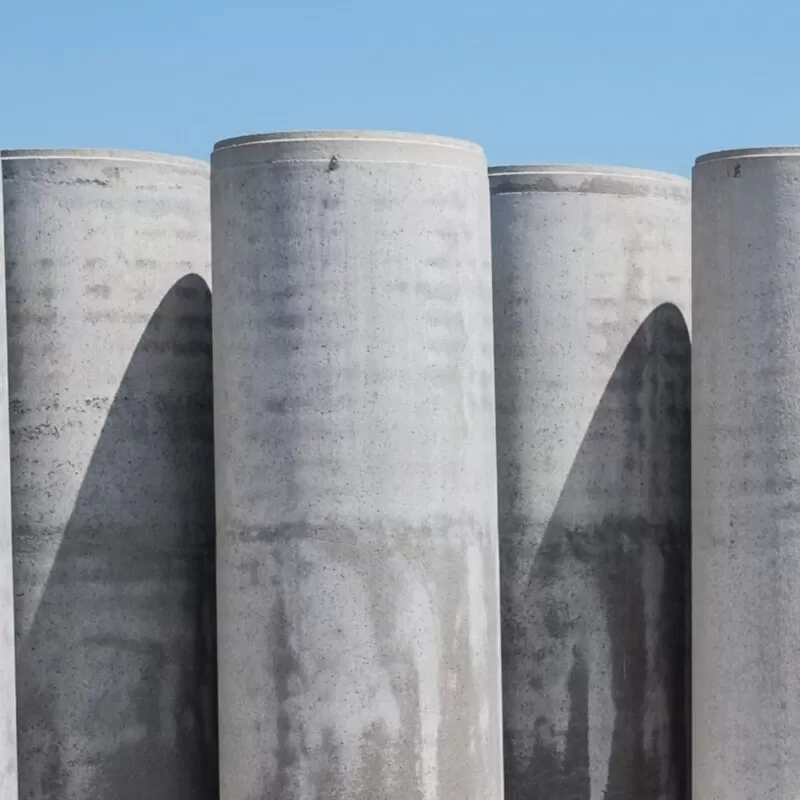
Concrete Piles & Vibro Concrete Columns

Virtually vibration-free solution that preserves the safety of the adjoining structure.

Piling Solutions

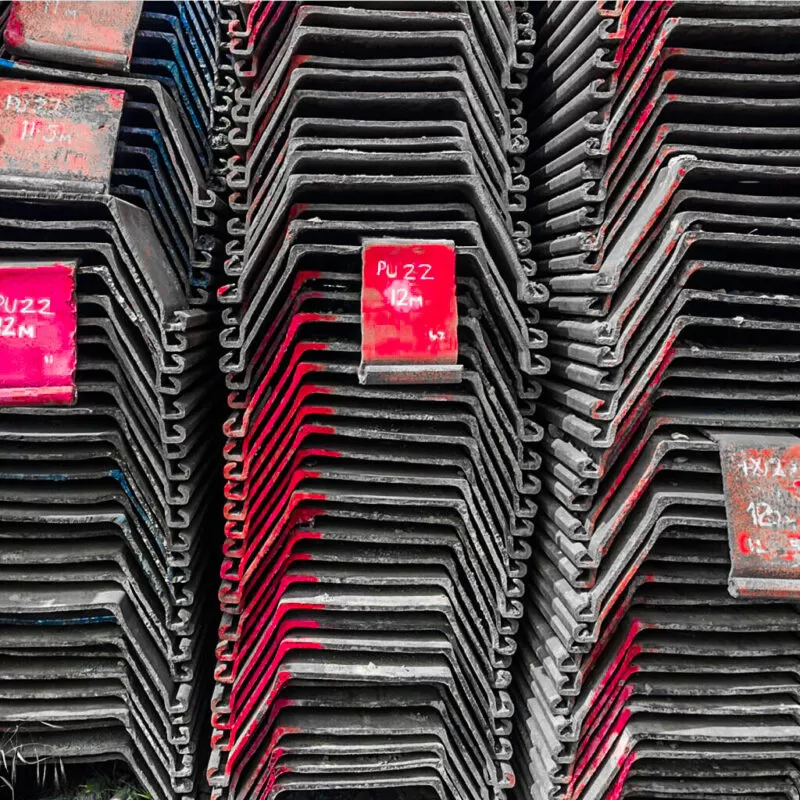
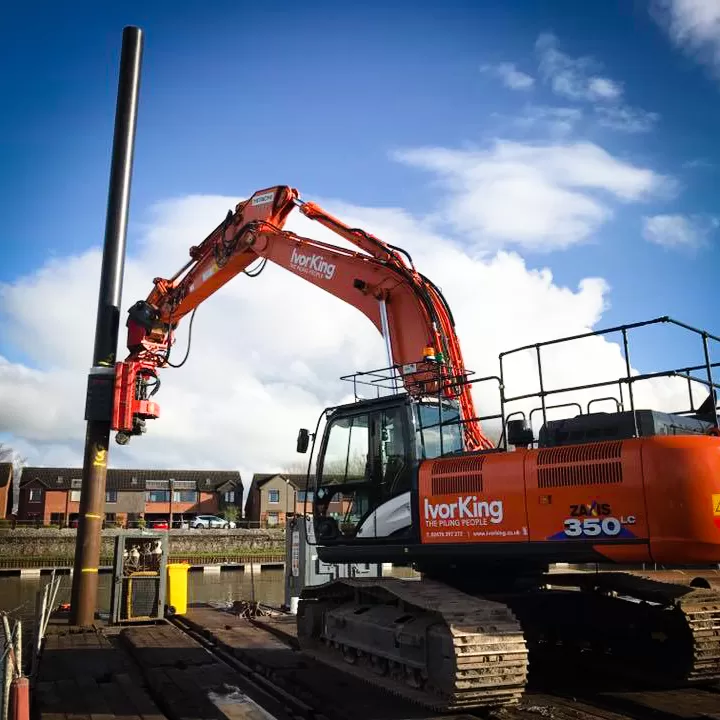
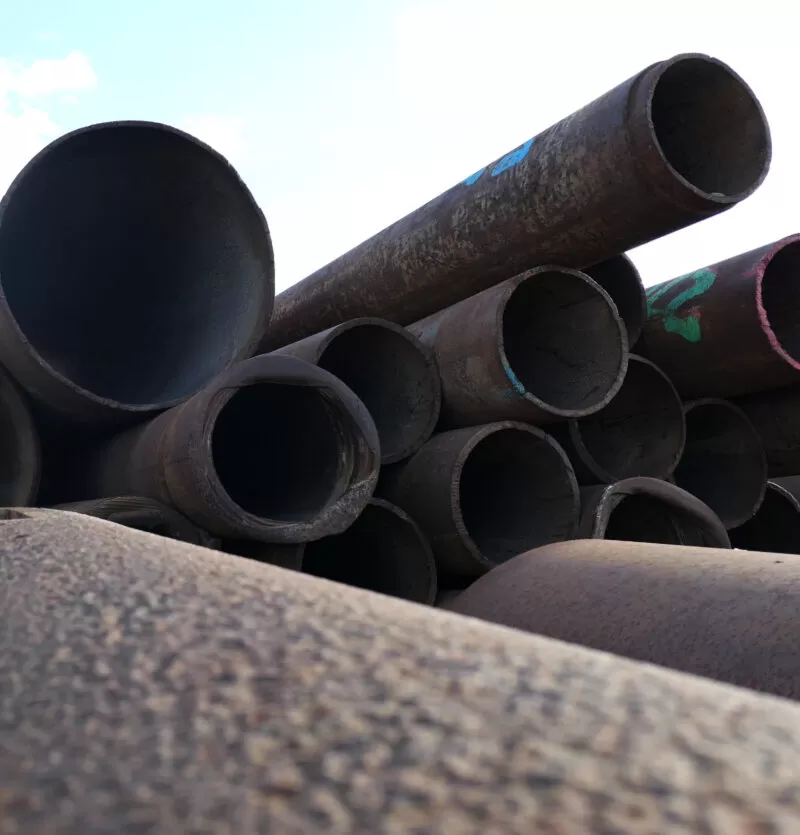
Steel Tubular & Bearing Pile Solutions

A cost-effective solution that increases lateral load bearing capacity in challenging ground

Did you know we also offer Construction Training?

We run a wide and varied range of CPCS and NPORS accredited training and assessment courses, geared towards working in the construction sector

Training solutions
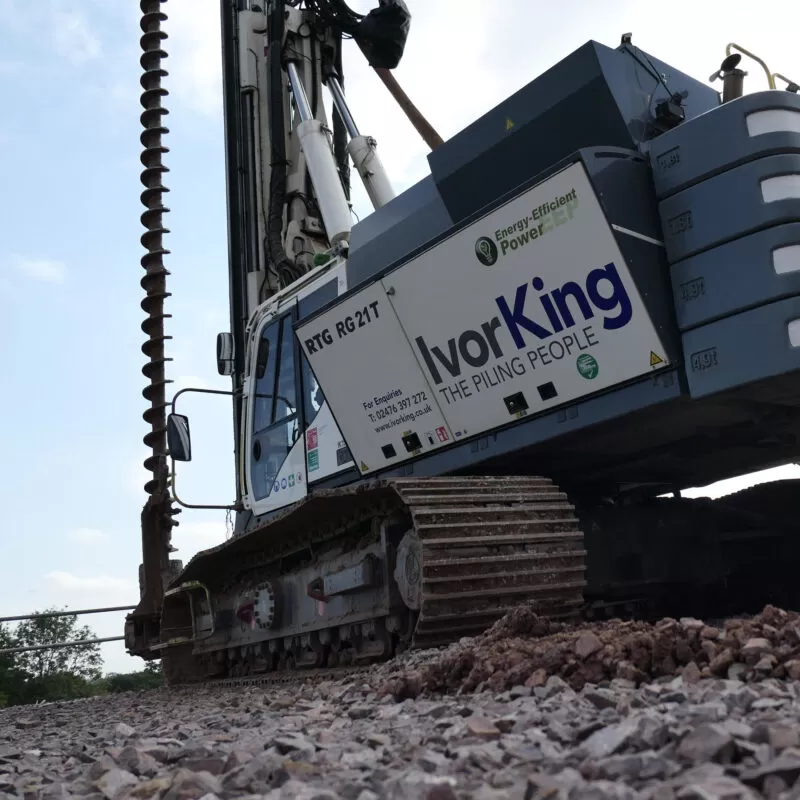
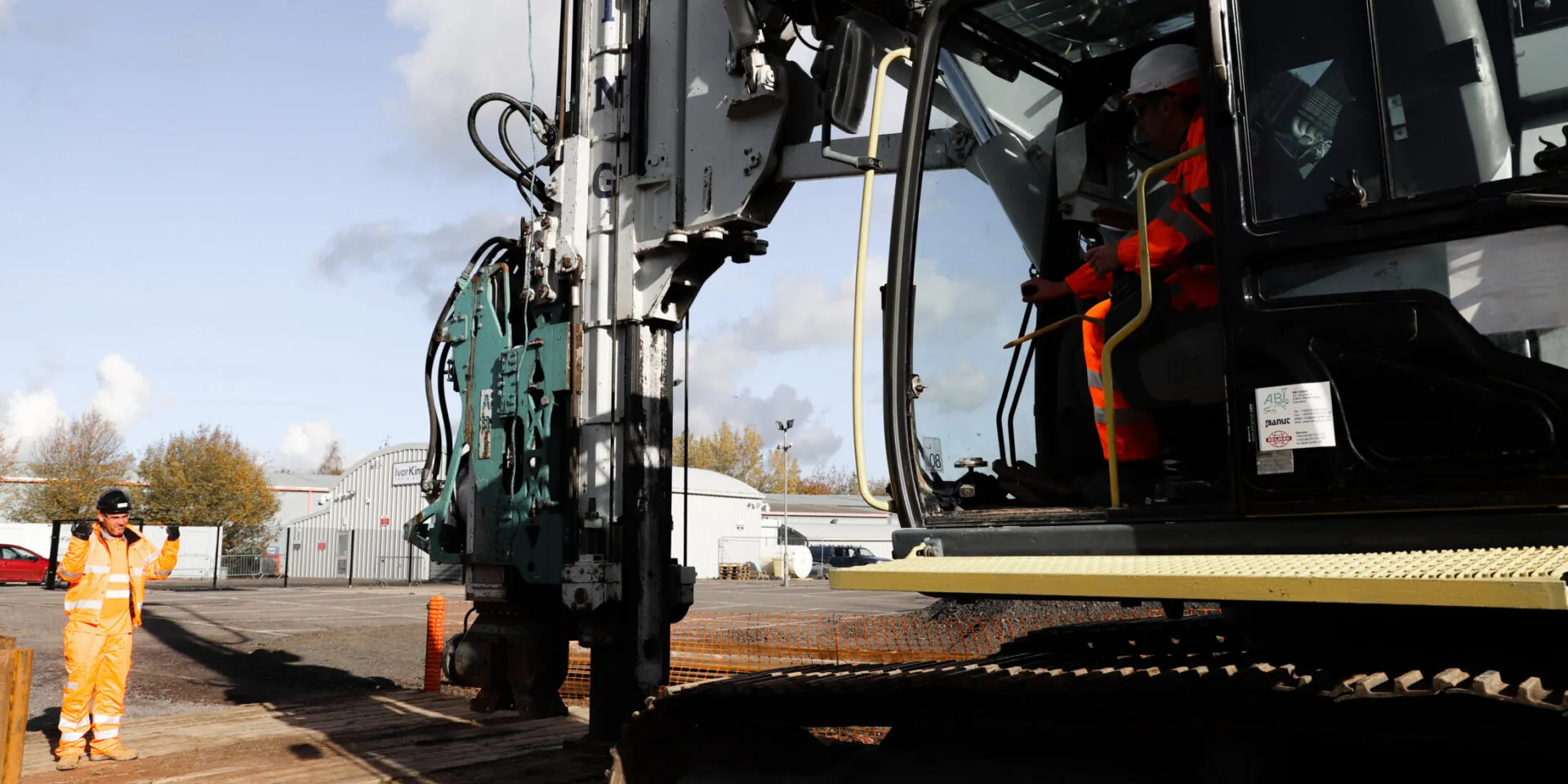
Piling Rig Driven

What is driven piling and when is it used? caret-down

Driven piling installs pile elements into the ground to transfer structural loads into suitable strata. It can support buildings, tanks, towers and bridges, and can also provide lateral support for earth-retaining structures. It is a versatile and cost-effective option for many ground conditions, subject to the design requirements and site constraints.

What types of driven piling solutions do you provide? caret-down

We provide concrete driven piles and vibro concrete columns, alongside steel solutions including tubular piles, sheet piles and H-beams. The correct system depends on the required bearing and lateral capacity, ground conditions, access, environmental constraints and the structure being supported. Our piles are specified and installed in accordance with applicable current standards.

What are the main advantages of driven piling? caret-down

Driven piles can offer fast installation, versatility and cost efficiency across many ground conditions. Pile sizes and lengths can be adapted to project requirements, while appropriate construction methods can avoid the handling damage associated with some precast materials. Because installation causes limited disturbance to some surrounding soils, driven piling may also suit sites with poor drainage.

Are driven piles suitable for poor-draining soils or marine structures? caret-down

Yes. Driven piling can be suitable in soils with poor drainage because the installation process does not significantly disturb the surrounding ground. It is also widely used for water-bound structures such as wharves and jetties. Final suitability depends on the ground investigation, structural loads, water conditions and the proposed installation method.

Can driven piles be used for retaining walls? caret-down

Yes. Driven piles can provide lateral support for earth-retention systems as well as vertical foundation support. Steel sheet piles and soldier piles are commonly used for this purpose. The wall type, pile section, spacing and installation method must be designed around retained height, ground and groundwater conditions, surcharges and neighbouring assets.

What information do you need to recommend a driven piling solution? caret-down

Useful information includes structural loads, site and foundation drawings, ground investigation and groundwater data, access and working-platform details, nearby buildings and services, noise or vibration limits and the programme. We can review these factors and advise whether concrete, tubular, sheet or bearing piles—or another piling method—best fit the project.