GOT HERE Array ( [strictly_necessary] => Array ( ) [functional] => Array ( ) [performance_analytics] => Array ( [0] => Array ( [0] => Kuzsu [1] => [2] => ) ) [advertisement_targeting] => Array ( ) ) Steel Bearing Pile Foundations | Ivor King Skip to content

Scroll to continue

Steel Bearing Piles (

Key Benefits & Advantages


Provide excellent load resistance and high strength in both compression and tension

Delivered to site ready for installation and can be loaded immediately after driving

Can easily be shortened or extended on-site to suit varying ground conditions

Environmentally responsible solution for structural piled foundations

Suitable for very hard ground conditions

Can overcome access restrictions

Economical skin friction may negate the requirement to drive to great depths in order to find bearing strata

Our steel pile solutions are ideally suited to projects where complex structures, axial loading or difficult ground conditions mean traditional foundations are unsuitable.

Steel driven piles provide a fast and cost-effective solution to the distribution of vertical loads. Using skin friction, driven piles are not required to bear upon solid strata, which may be a considerable depth beneath surface level.

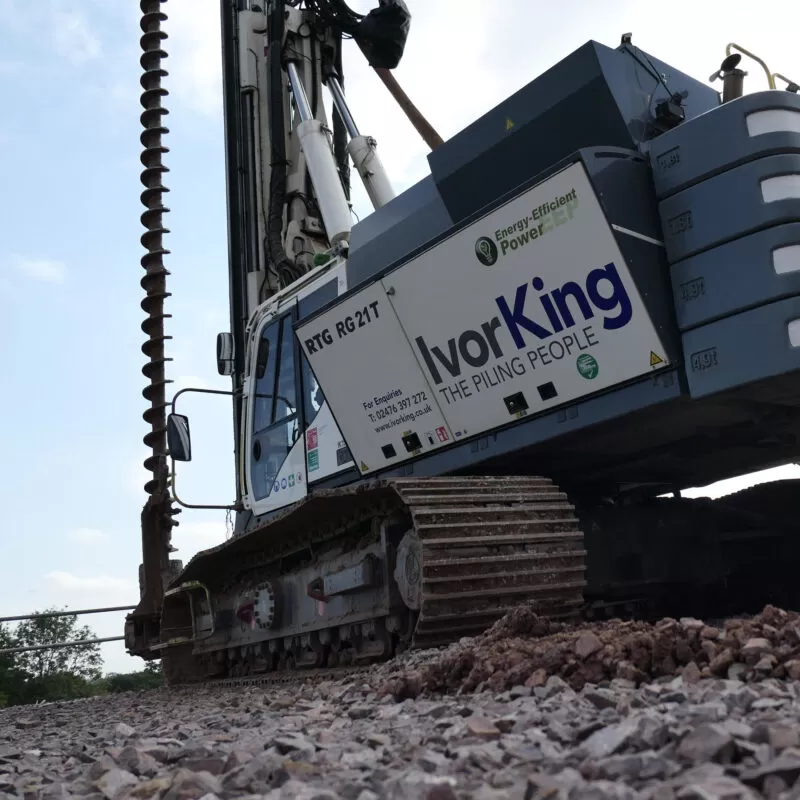
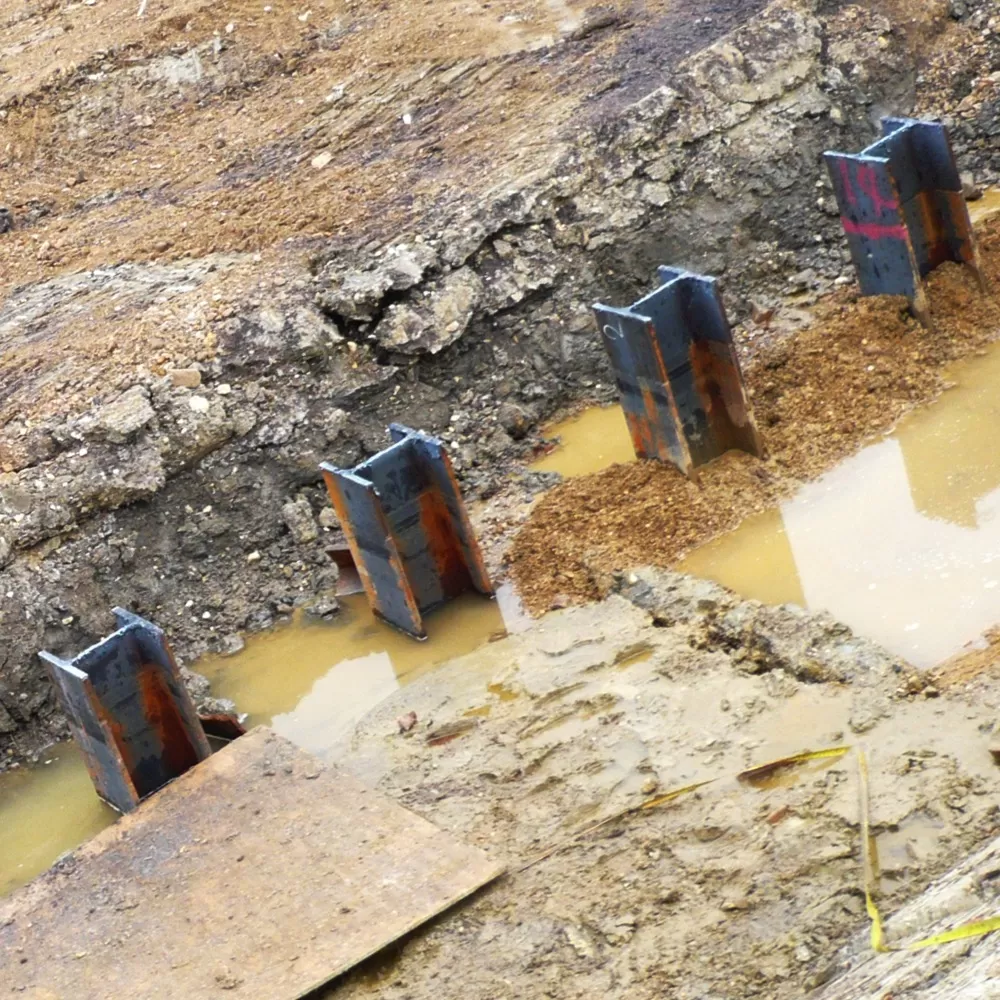
Our technical and practical expertise enable us to offer a complete package from design to installation of driven steel piles whether tubular or universal columns (UC) /bearing (UC) piles.

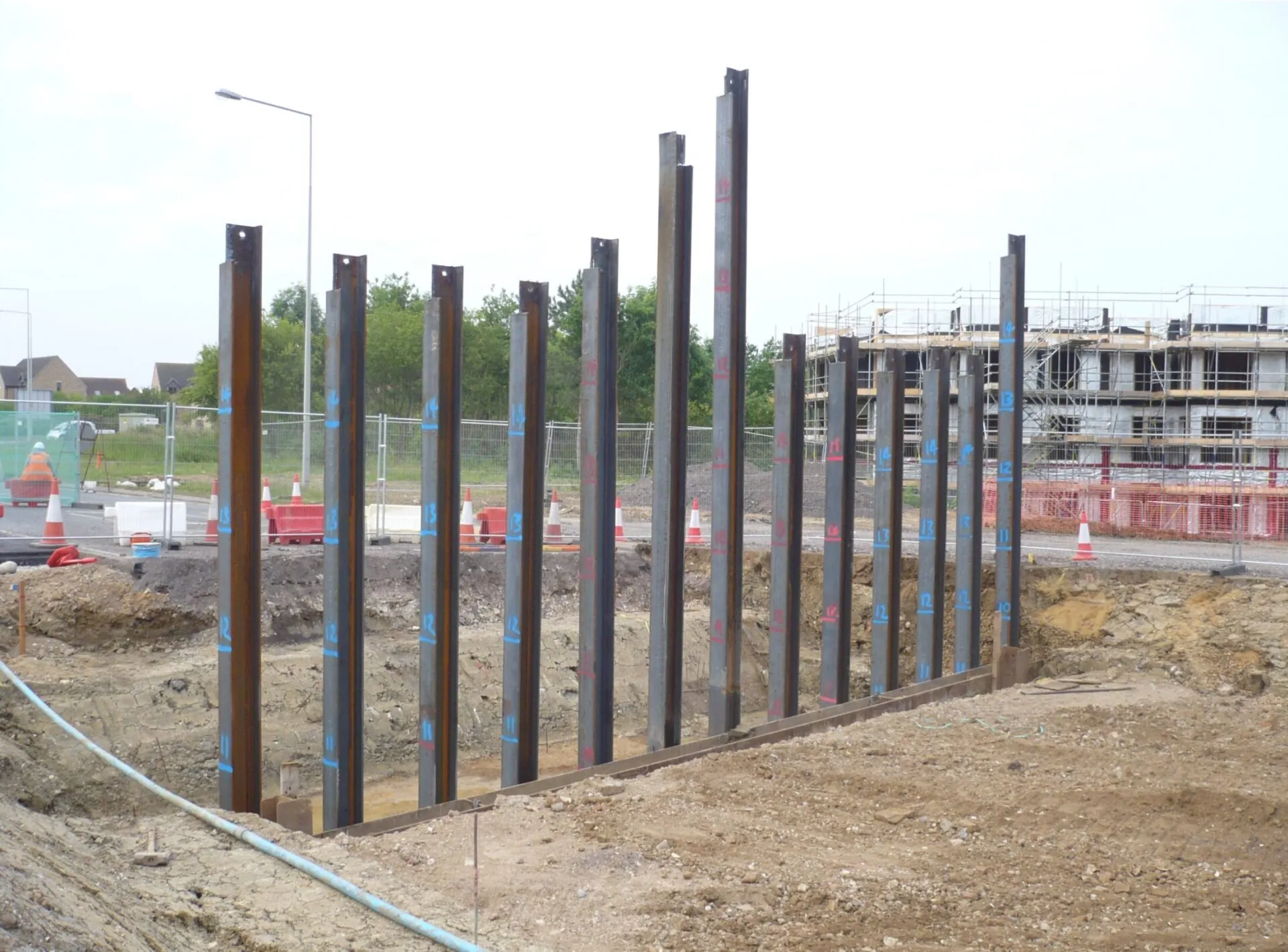
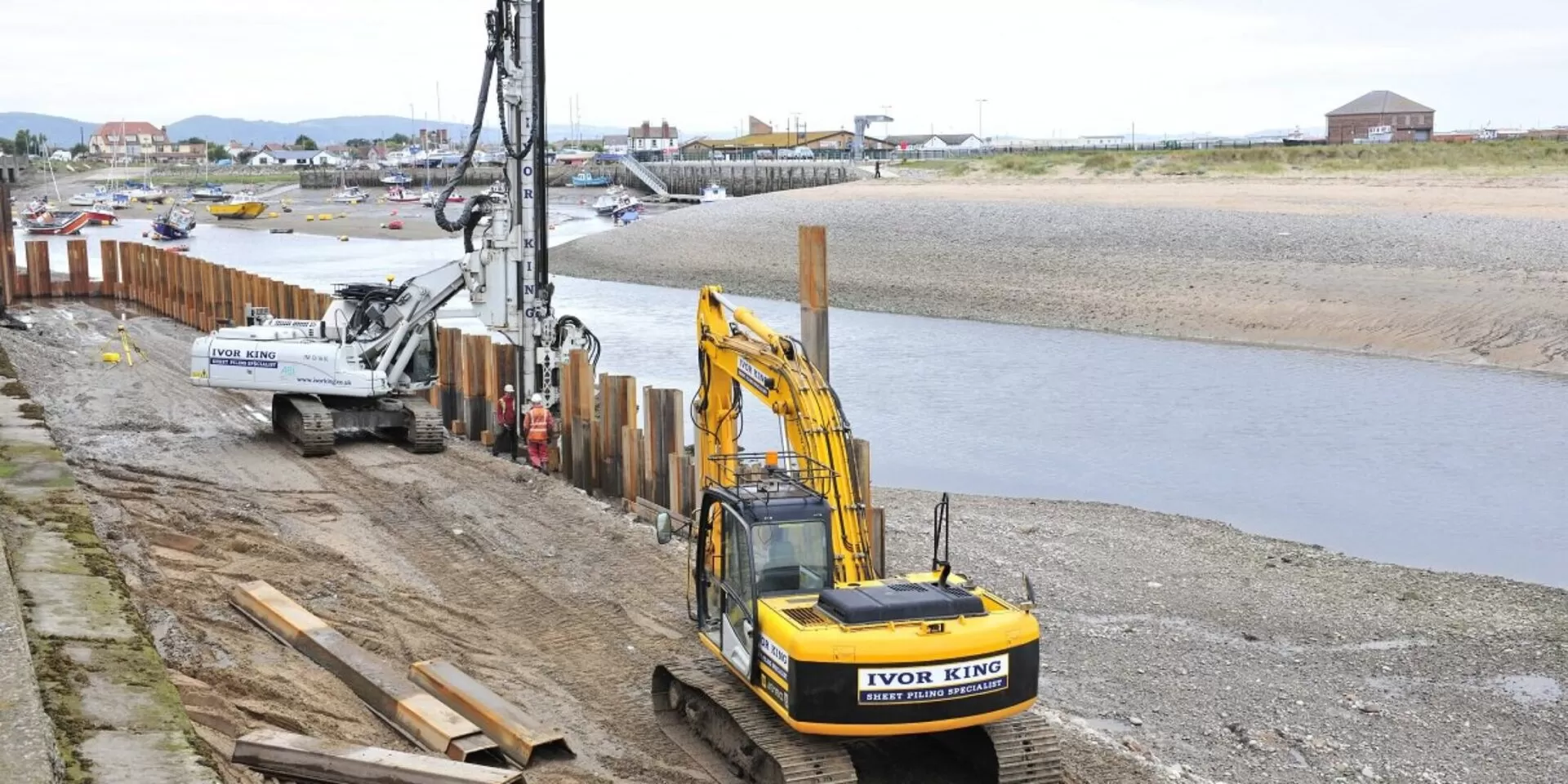
Bearing piles are often installed using a vibratory hammer with a final drive to level/refusal using a hydraulic impact hammer, are ideal foundations for lightweight buildings. Building loads can be transferred through piles caps and into the bearing piles. They provide an environmentally responsible solution because they’re a displacement pile, which generates no spoil arisings and can also be extracted and reused.

The bearing piles, after installation, can be tested to verify pile design axial capacity resistance, to allow the quick construction of remaining foundation/substructure works.

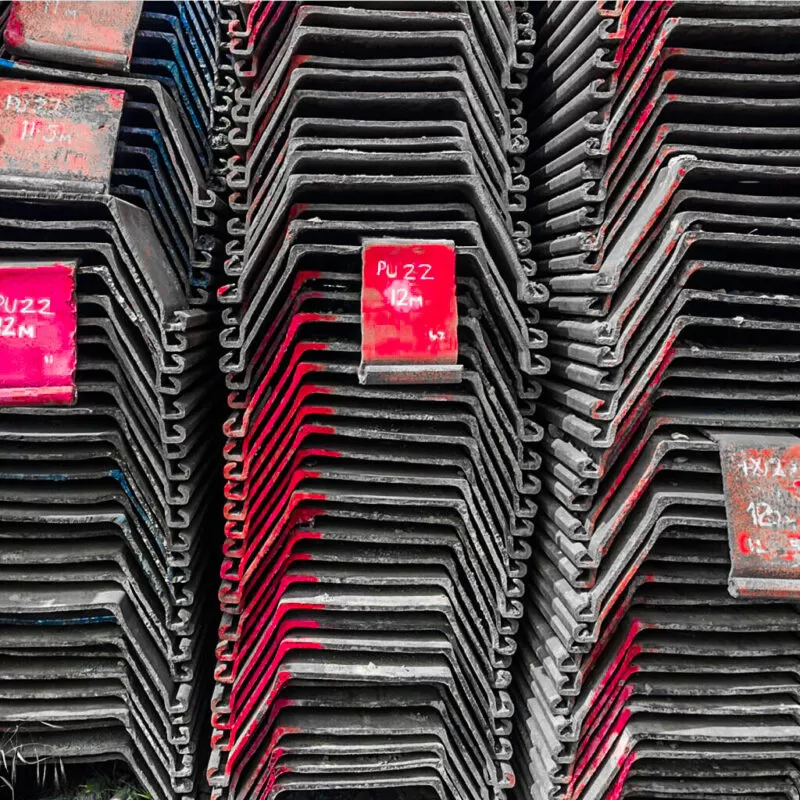
Universal Bearing Piles are also used in ‘King Post’ or ‘Soldier Pile’ retaining wall solutions. Wherever hard soil or bedrock conditions exist, a ‘King Post’ wall is formed by drilling a hole at defined centres, filling it with concrete and installing a UB/UC pile. Between these King Posts concrete infill panels or steel sheet piles can be installed. King Post centres can be from 1.0m to 3.0m depending on the project requirements.

Did you know we also offer Construction Training?

We run a wide and varied range of CPCS and NPORS accredited training and assessment courses, geared towards working in the construction sector

Training solutions
piling solutions

How do steel bearing piles support a structure? caret-down

Steel bearing piles transfer loads from a structure into the ground. Resistance can come from friction along the pile, support at its base, or a combination of both, depending on the design and ground conditions. Pile caps connect the foundations to the structure. Ivor King designs and installs driven steel piles, including tubular and universal bearing sections.

How are steel bearing piles installed? caret-down

Steel bearing piles are delivered ready for installation and driven into the ground using piling equipment. A vibratory hammer may be used initially, followed by a hydraulic impact hammer for the final drive. The pile section, equipment and installation requirements are selected to suit the ground conditions, required loads and site constraints.

Can steel bearing pile lengths be adjusted on site? caret-down

Yes. Steel piles can be shortened or extended on site to suit the required installation length. This can help where ground conditions vary across a project. Any extension or connection needs to meet the pile design requirements, so changes are assessed as part of the installation process rather than relying on a standard depth for every pile.

How soon can steel bearing piles carry loads after installation? caret-down

The steel pile itself does not need a concrete curing period after driving, which can help the construction programme. Loading still depends on meeting the specified installation and testing requirements and on the readiness of pile caps and other connecting works. The project design and agreed construction sequence determine when the foundations can be put into service.

Can steel bearing piles be tested after installation? caret-down

Yes. Installed bearing piles can be tested to check their axial load resistance against the design requirements. The testing method and extent are determined for the project, rather than being identical on every site. Planning these checks alongside the piling works helps coordinate the next stages of foundation and substructure construction.

Can steel bearing piles be extracted and reused? caret-down

Steel bearing piles can be extracted and reused where the project arrangement, access and condition of the recovered piles allow. Reuse is not automatic: the pile section and condition must be suitable for its next application. Where recovery is intended, considering extraction during the design stage helps avoid restrictions later in the project.