How to Enjoy a Solar Eclipse Safely: Protecting Your Eyes While Taking in the Spectacle
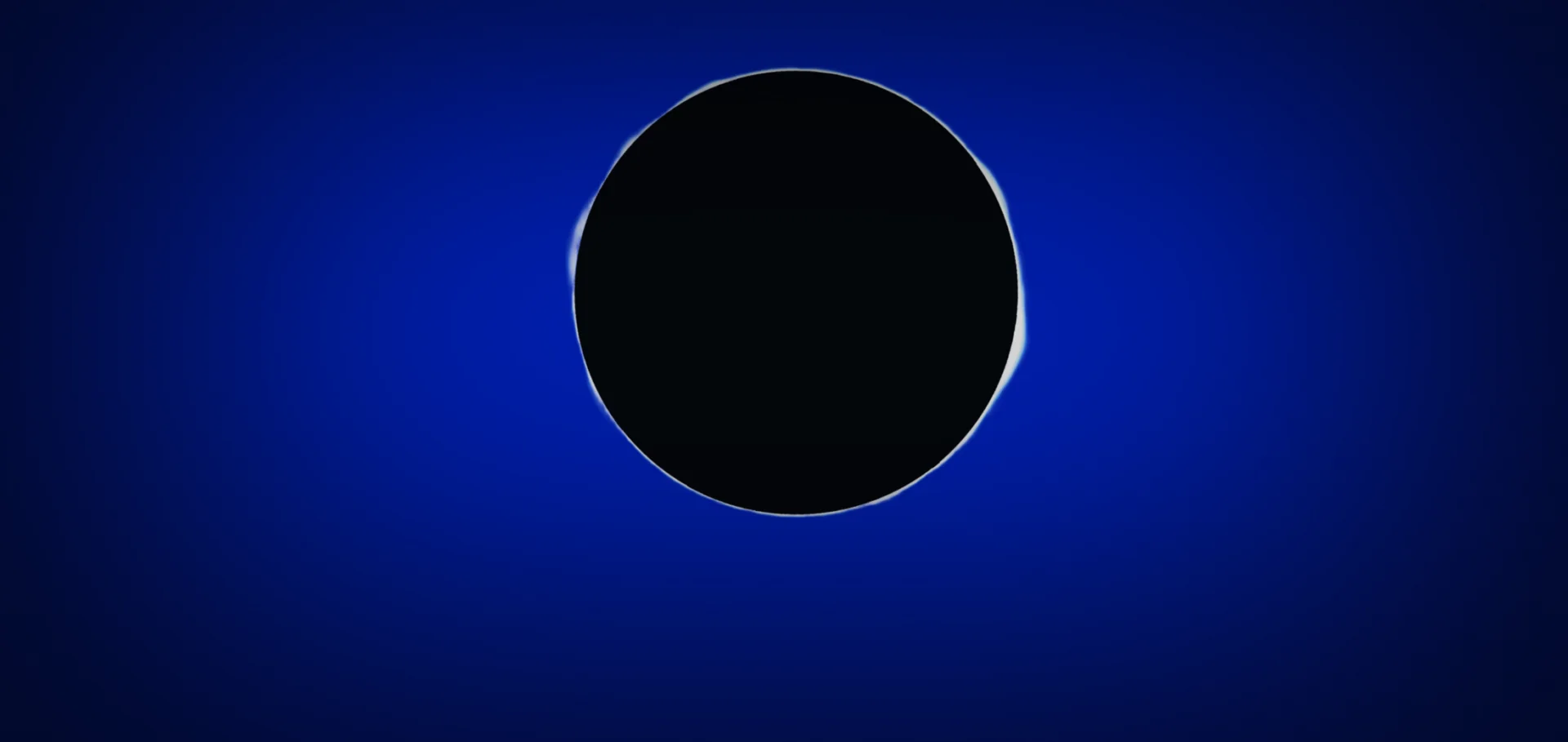
Tonight, the Sun and Moon are putting on a spectacular show, with the UK set to experience one of the most notable partial solar eclipses in decades.
From around 6pm BST, the Moon will begin to pass in front of the Sun, gradually covering more of its disc and creating a striking partial eclipse across the UK. The event is expected to be the most significant solar eclipse visible from the UK since 1999, making it a particularly exciting occasion for anyone interested in the night sky.
While an event of this scale is certainly worth stepping outside to see, it is crucial to remember that looking directly at the Sun can cause permanent eye damage. Enjoying the eclipse safely means using the right equipment and taking a few simple precautions.
One of the UK’s most significant eclipses
Solar eclipses occur when the Moon passes between the Earth and the Sun, temporarily blocking some or all of the Sun’s light from our perspective.
During the event, the Moon will only partially cover the Sun. However, the fact that a large proportion of the Sun is hidden does not make it safe to look at the remaining visible portion with the naked eye.
Foe most, this will be the most impressive eclipse seen since the famous 1999 total solar eclipse. And while tonight’s eclipse won’t reach totality anywhere in the UK, the amount of the Sun covered will still make it a memorable spectacle.
In fact, the next eclipse visible from the UK in which more than 90% of the Sun is covered by the Moon is not expected until 2081.
That makes tonight’s event a rare opportunity – but one that needs to be viewed responsibly.
When will the eclipse peak?
The timing of the eclipse’s maximum will depend on where you are in the UK.
The Moon will begin moving across the Sun from around 18:00 BST, with the eclipse building gradually towards its maximum. The peak will occur at slightly different times around the country, falling roughly between 19:02 and 19:16 BST.
From London, around nine-tenths of the Sun could be hidden at the height of the eclipse. In Cornwall, the Moon could cover approximately 95% of the Sun’s disc.
Because the Sun will still be visible throughout the partial eclipse, appropriate eye protection is essential from beginning to end.
Protect your eyes with certified solar glasses
One of the most important things to remember is that ordinary sunglasses are not suitable for viewing a solar eclipse.
Even very dark sunglasses cannot provide the specialist protection needed to safely look directly at the Sun. Instead, you should use properly certified solar viewing glasses or another purpose-built solar viewing device.
According to advice from the UK Health Security Agency (UKHSA), suitable eclipse glasses should carry the international safety standard ISO 12312-2.
Before using your glasses, check them carefully. The lenses should be clean and completely intact, with no scratches, tears, punctures or other damage. If the glasses are damaged in any way, don’t use them.
It’s also worth being cautious about where you obtain solar viewing glasses. Only use products from a reputable source and make sure they are specifically intended for direct solar viewing.
Why you shouldn’t rely on your eyes to tell you something is wrong
Looking at the Sun without appropriate protection can damage the retina, the light-sensitive tissue at the back of the eye.
This type of injury can be particularly dangerous because it may not hurt at the time. Retinal damage can occur without the immediate warning signs that you might expect from an injury.
You may therefore continue looking at the Sun because it doesn’t feel uncomfortable, while damage is already taking place.
That’s why the safest approach is simple: never look directly at the Sun without appropriate certified solar protection.
Never use binoculars, telescopes or cameras without the right filters
Extra care is needed when using optical equipment.
Never look at the Sun through binoculars or a telescope unless the equipment has been specifically fitted with an appropriate solar filter designed for safe solar observation. These devices can concentrate sunlight and cause serious eye injury extremely quickly.
Likewise, don’t assume that looking at the Sun through your phone or camera screen is automatically safe. Cameras and other optical equipment need suitable solar protection if they’re being used to photograph or observe the Sun directly.
If you’re keen to capture the eclipse, follow the equipment manufacturer’s specific guidance for solar photography rather than improvising with makeshift filters.
Enjoy the spectacle – without taking unnecessary risks
There are plenty of safe ways to enjoy tonight’s eclipse. Put on a pair of certified solar viewing glasses, head outside and watch as the Moon gradually crosses the Sun.
You could even make a simple indirect viewing device, such as a pinhole projector, which allows you to observe the projected shape of the eclipsed Sun without staring directly at it.
How ever you choose to view, please be safe. Your eyes are precious. 👀
From all of us at Ivor King, enjoy the eclipse and take a moment to marvel at one of the strangest and most spectacular events in our skies. 😎🌒