GOT HERE Array ( [strictly_necessary] => Array ( ) [functional] => Array ( ) [performance_analytics] => Array ( [0] => Array ( [0] => Kuzsu [1] => [2] => ) ) [advertisement_targeting] => Array ( ) ) Tubular & Bearing Pile Solutions | Ivor King - The Piling People Skip to content

Scroll to continue

Piling Solutions

Key Benefits & Advantages


Cost effective solution for any lateral loading

Increased load bearing capacity compared to the precast equivalent

No arisings from the piling operation, saving on disposal costs

Displacement piles are the preferred option in contaminated ground

Piles of any size and length may be installed

Possible damage due to driving and handling with pre-cast material is eliminated

Suitable in soils of poor drainage qualities since they do no significantly disturb surrounding soil

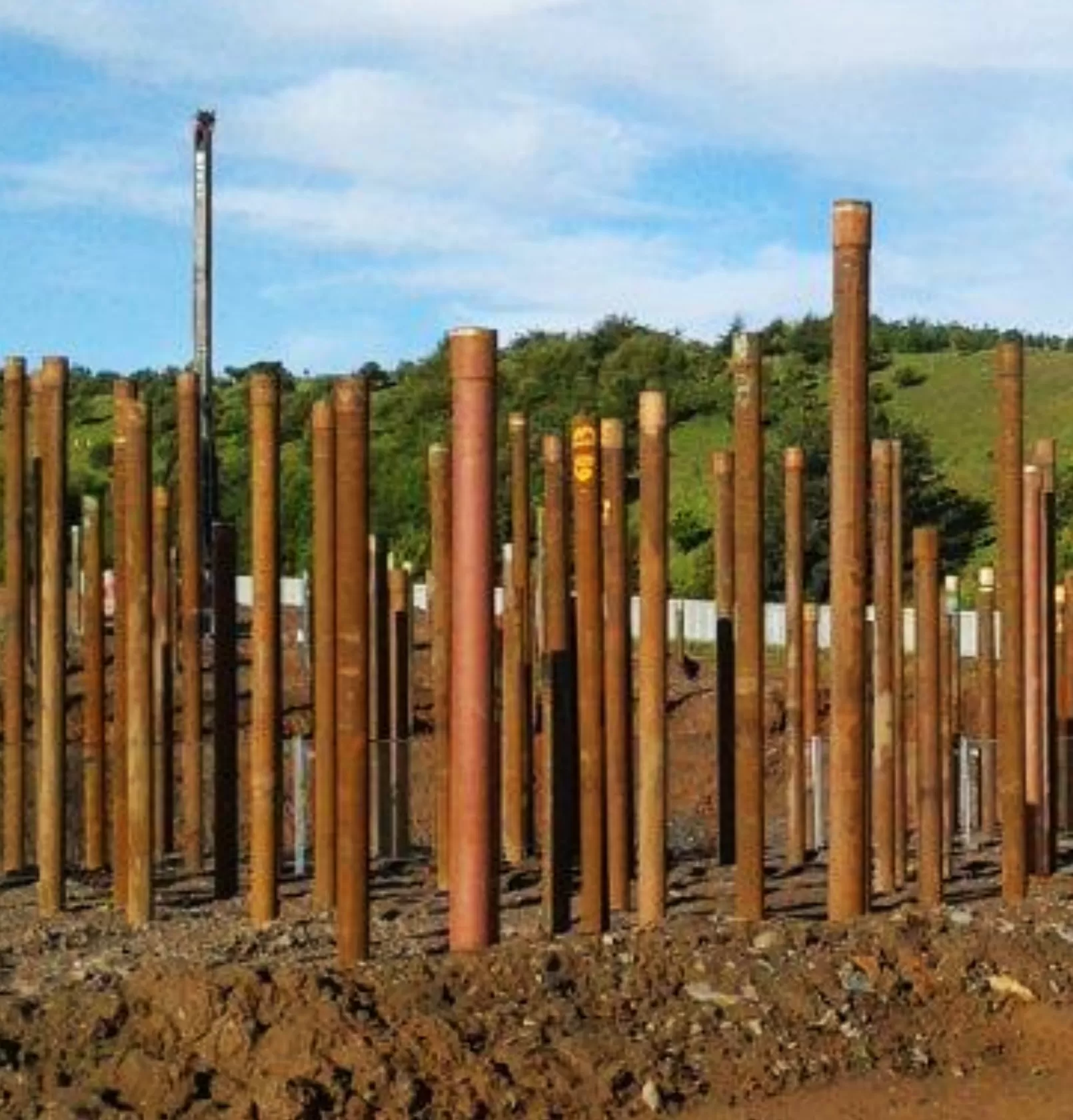
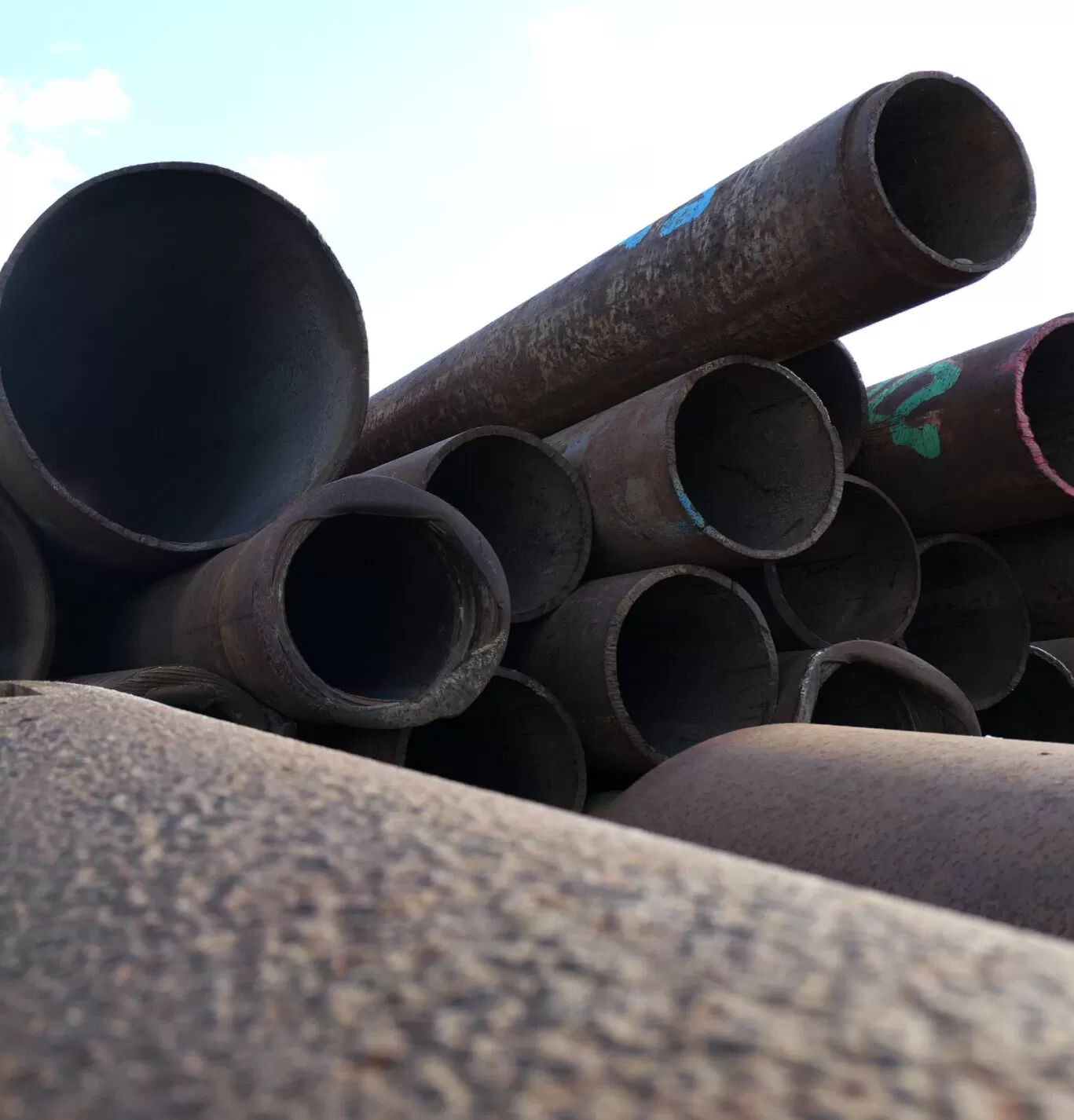
Tubular Steel Piles

Whilst being suitable for withstanding large axial loads, tubular piles are also appropriate for accommodating significant horizontal loads and vertical tension loads, induced by large bending moments/horizontal reactions and uplift/heave reactions respectively. Utilising recycled steel tube can also deliver both cost effective and environmental benefits.

These piles are also suitable for driving in difficult or uncertain ground conditions up to 50m deep. Hard driving conditions and obstructions or boulders can also be dealt with when driving tubes.

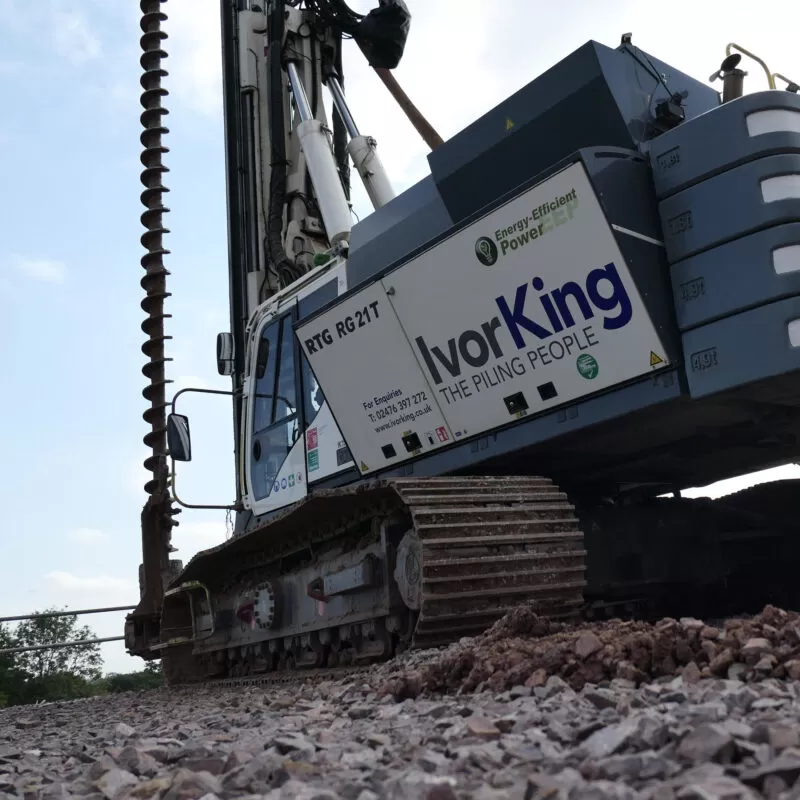
Piles may be top driven to ‘set’ or length using purpose-built rigs with hydraulic hammers. The internal void can subsequently be filled with concrete or grout if required, with reinforcement incorporated for bonding into pile cap or ground beams. Normally the tubular piles are driven open ended so that a soil plug is rapidly formed. In exceptional circumstances the open end can be closed using a welded steel plate.

H Piles

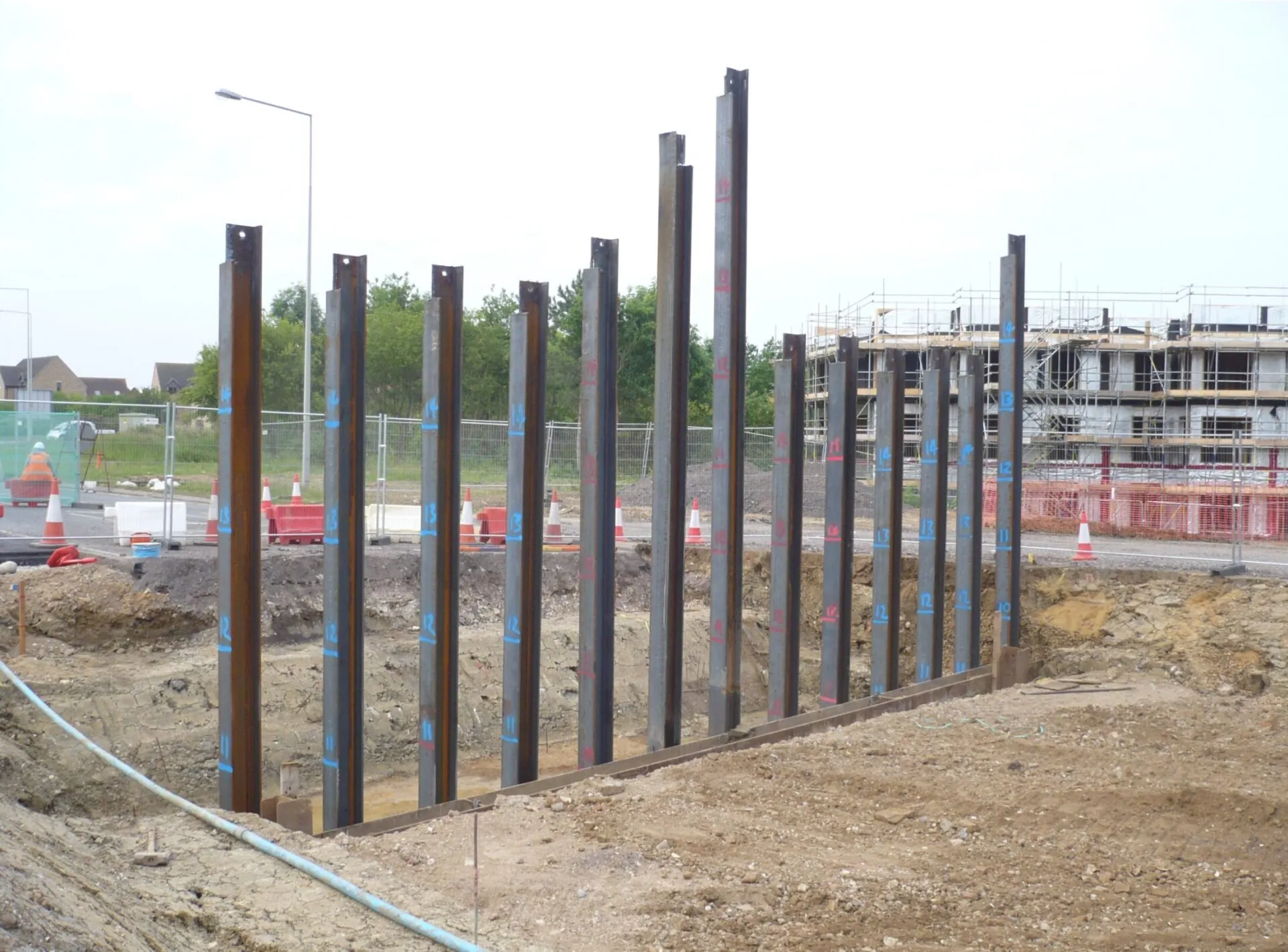
H Piles are structural steel columns that are driven into the ground for deep foundation applications. Most soils at or near the surface do not have the mechanical properties to support the vertical loads required for large buildings. H Piles are manufactured and designed to transfer structural loads to deep bearing strata, as their defined isotropic material properties resist compressive, tensile and lateral forces.

H Piles may also be used in conjunction with sheet piles to add lateral stiffness and bending resistance where loading exceeds the capacity of sheet piles alone.
Our Piling Solutions Check out our full range of multi-disciplined Piling Solutions. Whatever your piling project, we’re your people.

Influences
piling solutions

What is the difference between tubular steel piles and H piles? caret-down

Tubular piles are hollow steel sections, while H piles are steel columns with an H-shaped cross-section. Both can be driven into the ground to support structures. The choice depends on the required loads, ground conditions and connection details. Ivor King assesses the pile section and installation method together to suit the project.

Can tubular piles resist horizontal loads and uplift as well as vertical loads? caret-down

Yes. Tubular steel piles can be designed to resist downward loads, horizontal forces and upward tension. This makes them an option where a structure creates more than a simple vertical load on its foundations. The required capacity depends on the pile dimensions, ground conditions, embedment and connections, so suitability is established through the project design.

How are tubular steel piles installed? caret-down

Tubular piles can be driven from the top using purpose-built piling rigs with hydraulic hammers. They are normally installed open-ended, allowing soil to enter the tube and form a plug during driving. A welded steel plate may close the end where the design requires it. The specified installation criteria determine the required depth or driving resistance.

Do tubular steel piles need to be filled with concrete? caret-down

Not every tubular pile needs the same internal treatment. Where required by the design, the internal void can be filled with concrete or grout after driving. Reinforcement may also be incorporated to connect the pile to a pile cap or ground beam. The specification depends on the structural requirements and the proposed connection to the works above.

Are tubular piles suitable for difficult or uncertain ground conditions? caret-down

Tubular steel piles can be considered for difficult driving conditions, including sites where obstructions or boulders may be present. That does not make every obstruction straightforward to overcome. Ground investigation, the proposed pile section and the driving equipment need to be reviewed together so the design and installation approach reflect the conditions expected on site.

Can H piles be combined with steel sheet piles? caret-down

Yes. H piles can be used with sheet piles to provide additional stiffness and resistance to bending where sheet piles alone do not meet the loading requirements. The arrangement, spacing and connections are designed as a combined system. This retaining-wall application is different from using H piles solely as individual deep foundation piles.