GOT HERE Array ( [strictly_necessary] => Array ( ) [functional] => Array ( ) [performance_analytics] => Array ( [0] => Array ( [0] => Kuzsu [1] => [2] => ) ) [advertisement_targeting] => Array ( ) ) Inland Waterways & Marine Piling Solutions | Ivor King Skip to content

Scroll to continue

Waterway

Key Benefits & Advantages


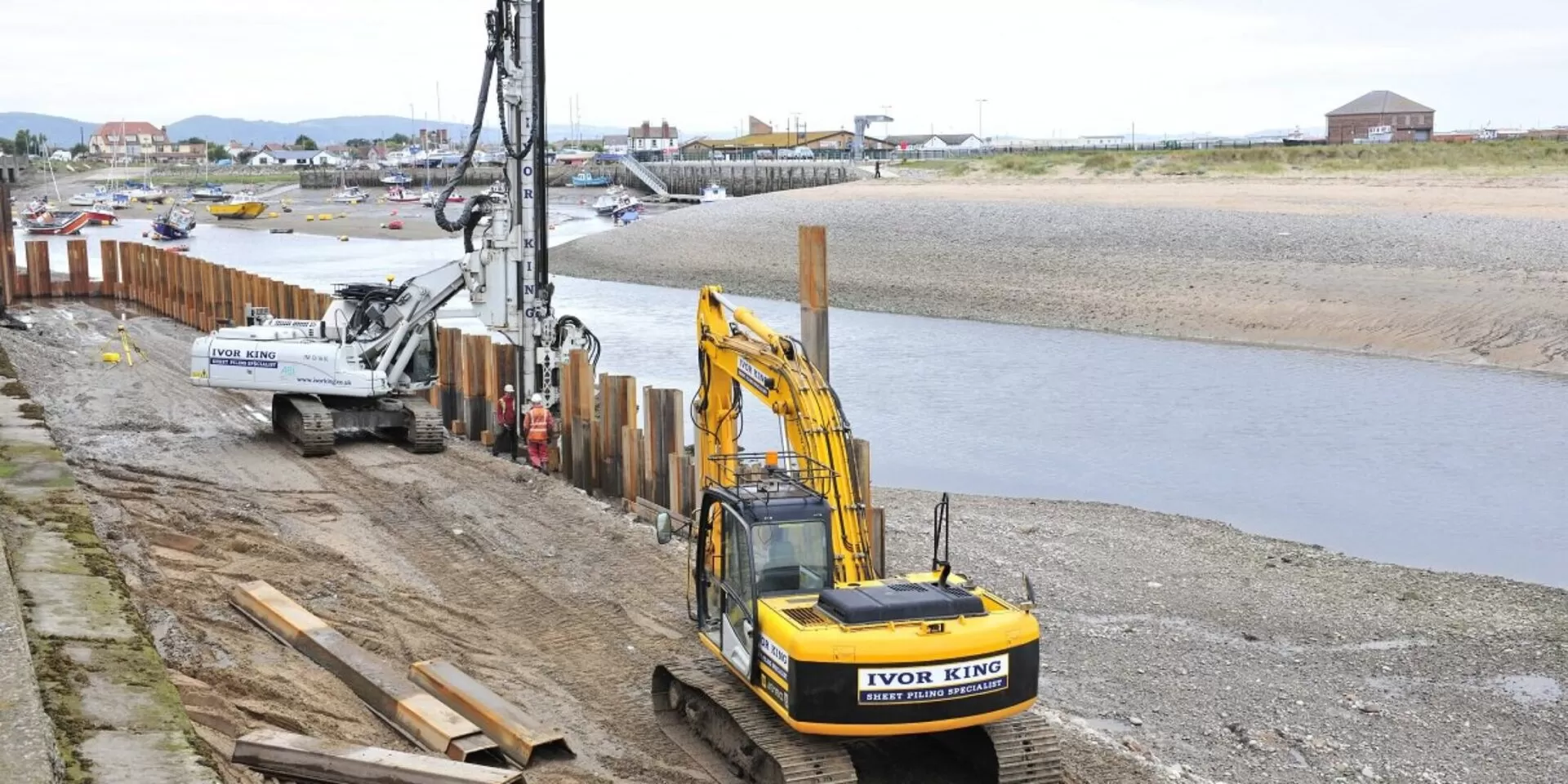
Our GIKEN equipment offers the perfect solution for use over water, with the ability to work remotely from access roads or where there is restricted site access

GIKEN is noise and vibration free - ideal solution in environmentally sensitive areas such as housing developments in marinas

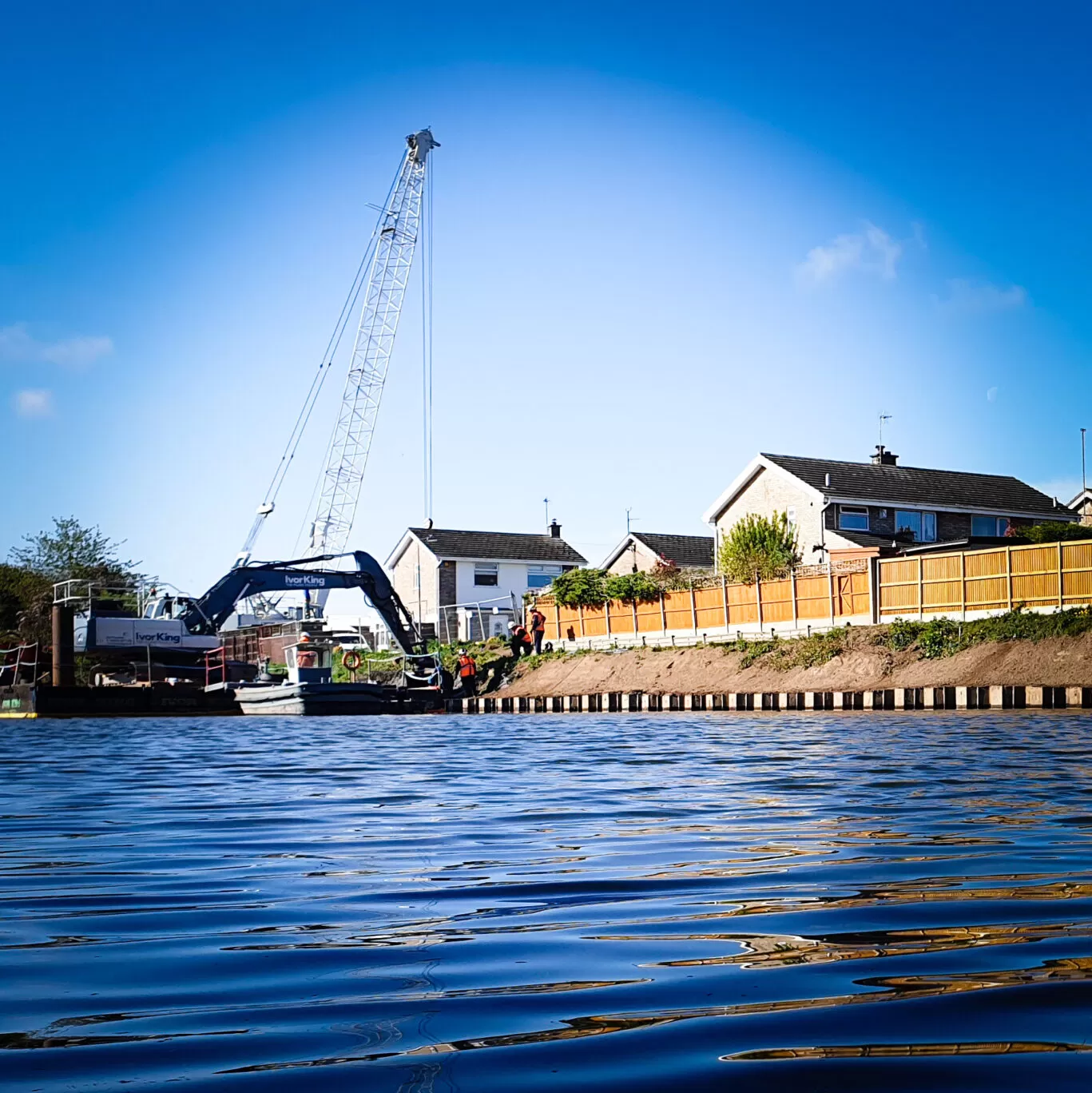
Our extensive stock of floating pontoons allow heavy plant to install piles on water

Versatile modular pontoon system can be combined to form almost any shape or configuration.

Pontoons 'anchored' to avoid excess movement and drifting

With extensive experience of inland waterways and marine piling, we’ll work with you to identify the best solution for your flood defence and water retention requirements.

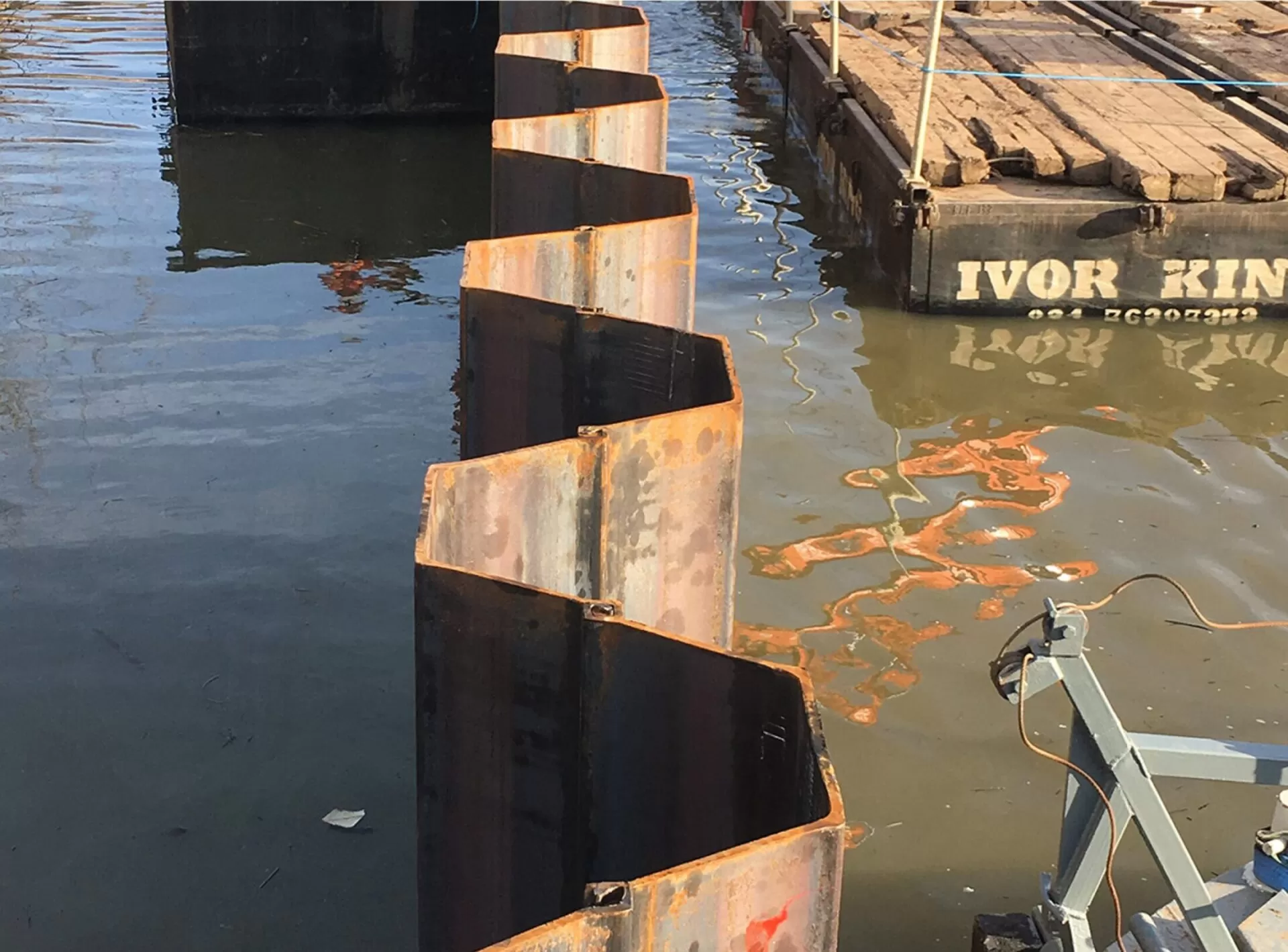
Our experience includes harbour and dock wall stabilisation, quay walls, cofferdams, jetties, slipways and mooring dolphins; working in tidal and inter-tidal zones as well as land-based installations.

We own and operate a wide range of specialist equipment that allows us to operate safely and efficiently over water. This includes an extensive stock of modular floating pontoons which can be configured to carry heavy construction plant and equipment, such as MEWPs, excavators, leader rigs and crawler cranes. Our large stock of pontoons, along with pontoon service boats enables multiple floating platforms to be supplied quickly and economically, speeding up project installation time.

Conventional Piling from Pontoons

Returning to our roots of conventional piling operating crane suspended vibro and impact hammers, we can configure our modular pontoons to form a floating working platform suitable for 70 tonne crawler cranes. We successfully undertake conventional piling installation on inland waterways, lakes and reservoirs, often working in conservation areas and environmentally sensitive settings. Our Uniflote pontoons along with our work boats are used to transport piles from the lay down area to the piling operation, ensuring an efficient and cost effective piling installation. We can install both permanent and temporary sheet piling solutions using crawler cranes, often working alongside our excavator mounted Movax vibro hammers or Telescopic Leader Rigs.

GIKEN Self Supporting Press-In System

A revolutionary approach to waterway and marine piling environments where restricted site access is an issue.

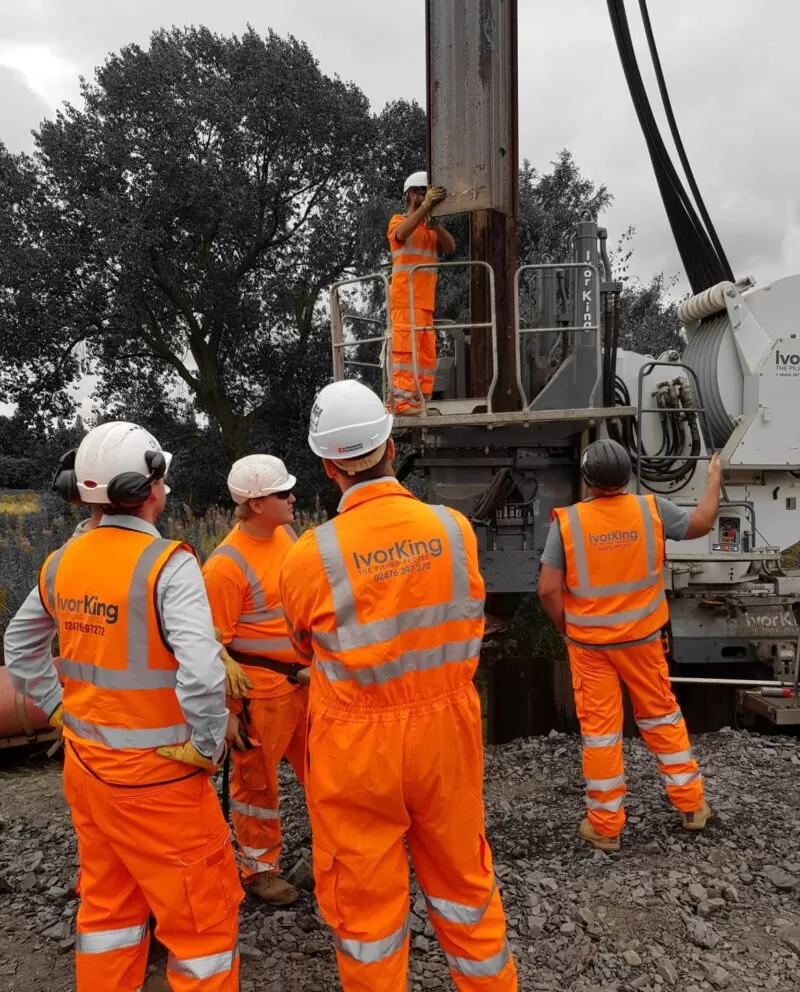
We own and operate a fleet of GIKEN silent piling machines developed to enable the plant to ‘walk’ over the top of the driven steel sheet piles. This solution represents a means by which sheet piles can be installed over water with virtually no noise or vibration and minimal temporary works.

The GIKEN uses hydraulic rams to press in each successive pile to design depth, using a pitch and drive procedure whilst ‘walking’ on the previously installed piles. The machine travels forward, enabling work to be independently and remotely operated from one fixed landward point, thus eliminating the need for floating marine equipment. Alternatively, staging can be fixed to the body of the GIKEN machines allowing piling personnel to access the machinery on a safe platform.

We own and operate the largest fleet of Giken Silent Piling equipment of any piling contractor in Europe. Together with our own heavy haulage capability means we can quickly mobilise throughout the UK, adhering to any programme requirements.
Our Piling Solutions Check out our full range of multi-disciplined Piling Solutions. Whatever your piling project, we’re your people.

Influences
Piling work

What types of inland waterways and marine piling projects does Ivor King undertake? caret-down

Ivor King undertakes piling on or beside rivers, canals, locks, harbours, docks, marinas and reservoirs. Projects include quay walls, harbour and dock wall stabilisation, cofferdams, jetties, slipways and mooring dolphins, alongside flood defence and water retention works. The piling design and installation method are selected for the structure, ground conditions and access available.

Can piling equipment work from floating pontoons? caret-down

Yes. Ivor King uses modular floating pontoons to create working platforms for piling plant, including crawler cranes, excavators and leader rigs. The pontoon arrangement is configured for the equipment and site conditions, with positioning and anchoring considered as part of the working method. Work boats and pontoons can also transport piles from the storage area to the installation point.

Can sheet piles be installed over water where land access is restricted? caret-down

Restricted access does not necessarily rule out sheet piling. Ivor King’s GIKEN press-in machines can travel along previously installed sheet piles, allowing work to progress over water from a fixed landward point. On suitable projects this can avoid the need for floating piling equipment. Ground conditions, pile layout and arrangements for supplying piles still need to be assessed.

How is the piling method chosen for noise-sensitive waterfront sites? caret-down

The method is chosen around the ground conditions, pile specification, access and sensitivity of nearby buildings or surroundings. GIKEN hydraulic press-in piling can offer very low noise and vibration compared with driven methods. Conventional vibratory or impact installation may suit other locations. The team assesses the whole working arrangement, including supporting plant, rather than assuming any site will be entirely noise-free.

Can marine sheet piling be used for both temporary and permanent works? caret-down

Yes. Sheet piling can form permanent waterfront retaining structures or provide temporary support and water exclusion for construction, such as a cofferdam. The design needs to reflect the purpose, ground and water conditions, loads and required service life. For temporary works, the installation and removal sequence should be considered alongside the construction programme.

What information helps Ivor King plan a waterway or marine piling project? caret-down

Useful starting information includes the proposed structure and pile layout, ground investigation, water depths and levels, and any tidal conditions. Details of land and water access, nearby structures, available storage space and the programme help the team assess installation options. Known navigation or environmental restrictions should also be shared early so they can be considered in the working arrangements.